Where rare coffees
meet their market.
A marketplace for the world’s most exceptional harvests, offered by exclusive farms growing small unique lots in the rarest origins, and discovered by buyers who value that singularity.
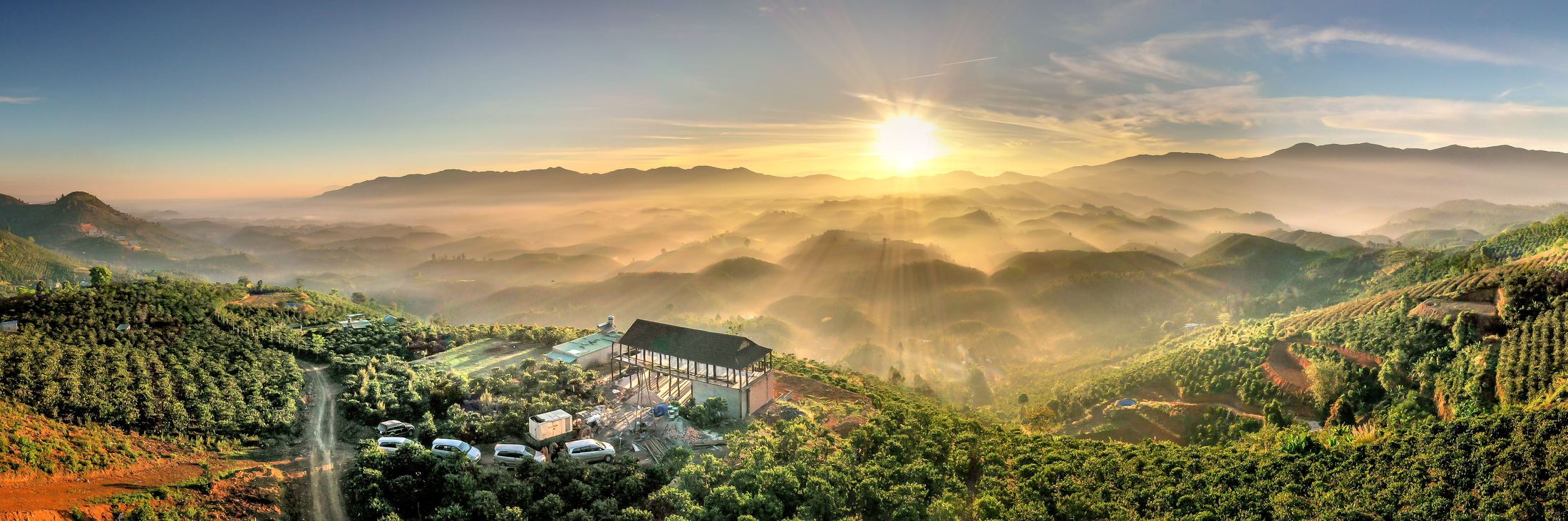
What Terroir is
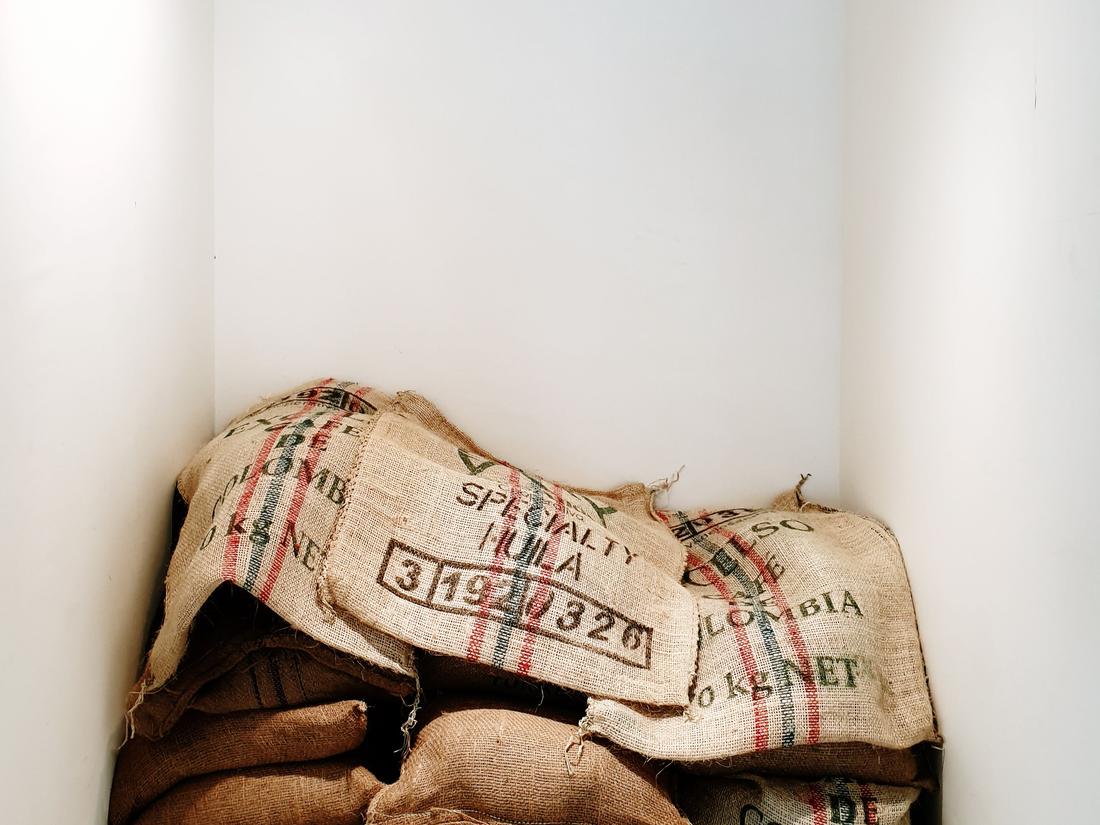
Terroir is an auction house dedicated to rare specialty coffee grown in small lots. We work with a select group of farms whose entire harvest fits into a few dozen bags.
Every lot is cupped blind and scored by certified sensory evaluators under Specialty Coffee Association protocol, documented from the plot to the port, and offered in a live auction open only to verified roasters and importers. The farm sets the reserve, the market sets the final price, and every result is published. We work with the best producers, offering a reliable, traceable and transparent marketplace.
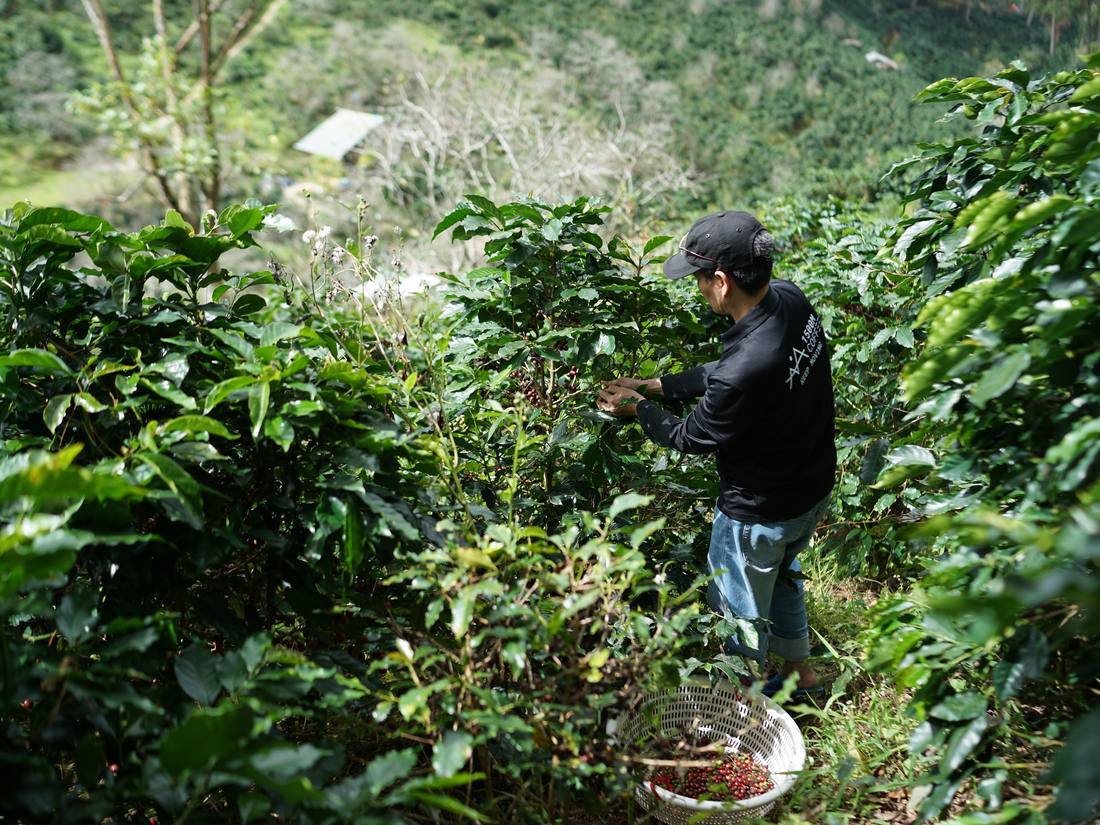
This week’s featured lot
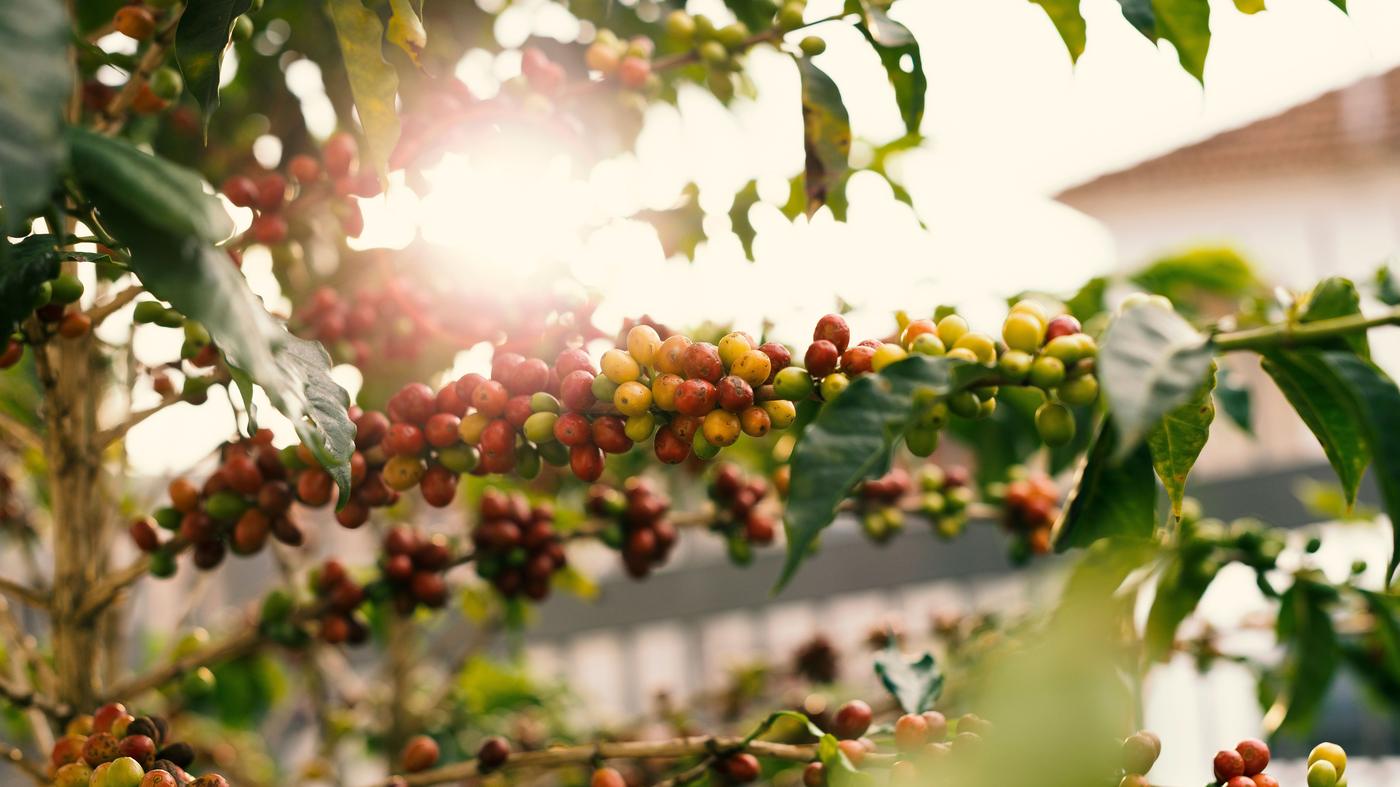
Why a coffee is rare: genetics, place and scarcity
Price is not what makes a coffee rare. It is the combination of an uncommon variety, a place few can replicate, and a harvest too small to become routine. Understanding these three axes changes how you read a lot.
Read the articleSimple to understand.
Easy to trust.
Limited quantity
Every lot states how many bags the farm harvests per year and how many are on auction. When they are gone, it is the next harvest or nothing.
Documented history
Plot, altitude, process, moisture and the signature of the evaluator who cupped the lot. You know exactly what you are buying and where it came from.
Price set by the market
Open auction among verified buyers. Every result is published, without exception.
The winning bid takes every bag, with full traceability from the plot to your warehouse.
Past results
Every Terroir result is public. What the producer earned and what the buyer paid is never a secret here.




| Lot | Origin | Harvest | Bags | Final price |
|---|---|---|---|---|
| Washed Geisha 031 | Boquete, Panama | 2025 | 4 | €64.20/kg |
| Washed Sidra 022 | Nariño, Colombia | 2025 | 5 | €38.60/kg |
| Natural Heirloom G1 025 | Guji, Ethiopia | 2025 | 5 | €31.40/kg |
| Anaerobic Red Catuaí 028 | Mantiqueira, Brazil | 2025 | 6 | €24.80/kg |
| Natural Yellow Bourbon 019 | Chapada Diamantina, Brazil | 2025 | 5 | €21.50/kg |
| Washed Typica 017 | Caranavi, Bolivia | 2025 | 4 | €27.30/kg |
| Honey Pacamara 014 | Santa Ana, El Salvador | 2025 | 5 | €29.80/kg |
| Natural SL28 011 | Nyeri, Kenya | 2024 | 5 | €25.40/kg |
Your harvest deserves
the world’s attention.
If your coffee is small in volume, exceptional in the cup and traceable at origin, it deserves buyers who compete for it, not middlemen who treat it as a commodity. Application is free and curation is strict.
Apply NowWhat we look for
Curation happens on the cupping table, not by reputation. We assess harvests, not farms: every lot must stand on its own score.
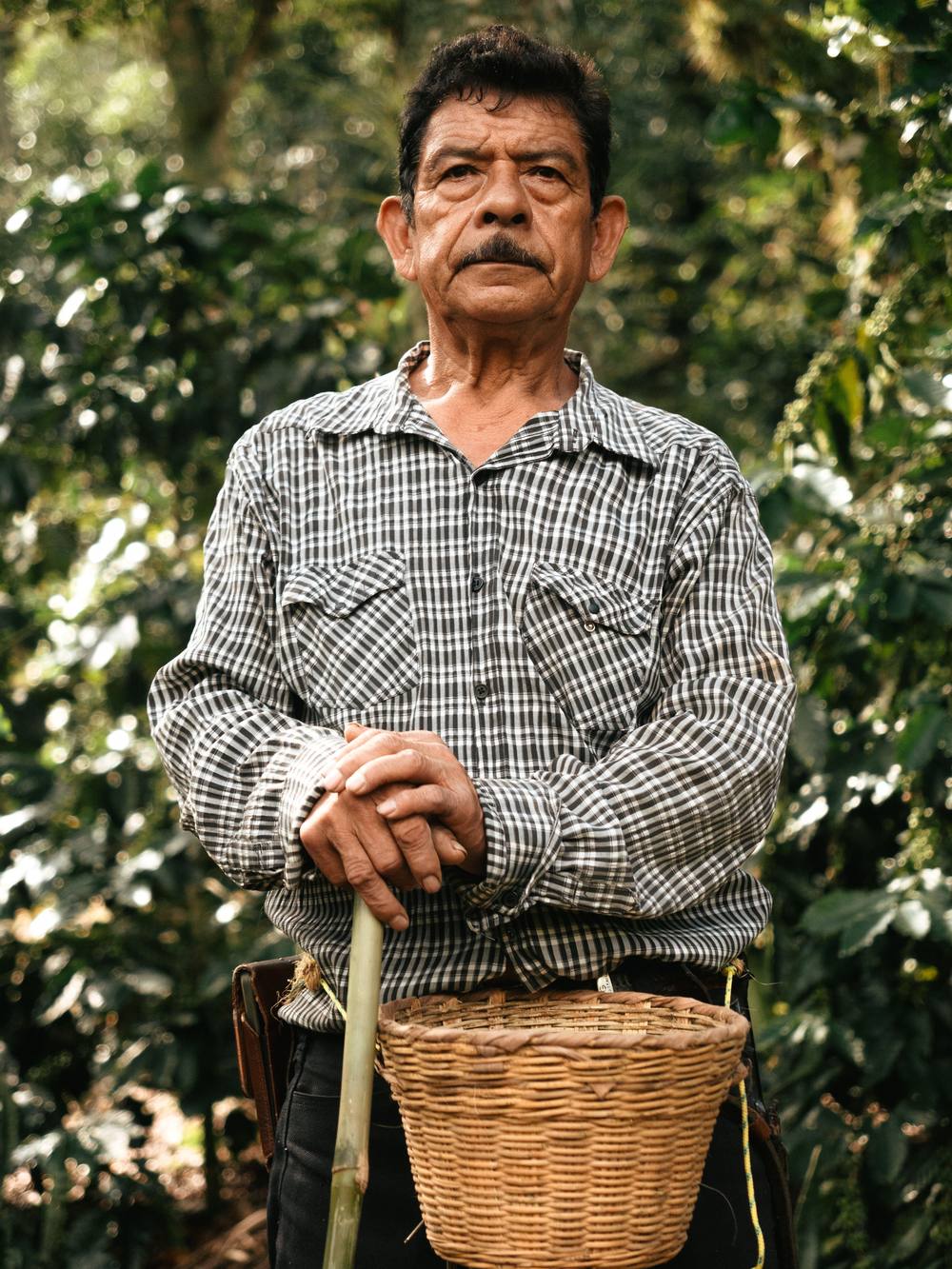
From your farm to the buyer, in four steps
Application and cupping
You send your farm profile and a lot sample. An independent sensory evaluator appointed by us cups it blind. No cost to the producer.
Lot preparation
Once approved, we build the lot page together: farm photographs, processing data, altitude and moisture. You set the reserve price. Below it, the lot does not sell.
Live auction
Your lot stays 48 to 72 hours in an auction open to verified buyers. You follow every bid in real time, from your phone or computer.
Payment and shipment
Funds are held in escrow and released on shipment confirmation. You are paid within 5 to 7 business days. Terroir charges commission only on a completed sale.
I want my coffee at auction
We review every application within 5 business days. If your coffee has no sensory score yet, that is fine, we arrange the cupping. Applying commits you to nothing.
How Terroir works
Six steps connecting a small farm to a buyer on the other side of the world, with price set in daylight.
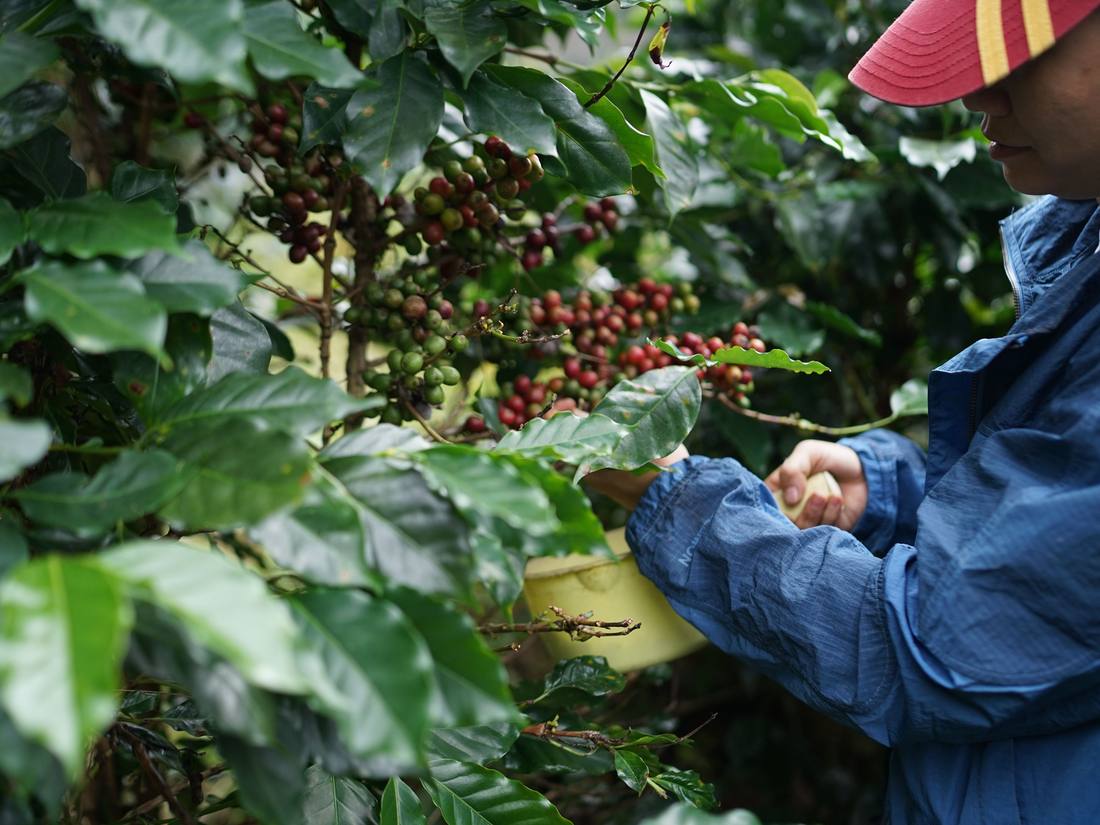

Prospecting
We actively seek out small farms with cup potential, through Q Grader referrals, cooperatives, regional competitions and field visits. We do not wait for producers to find us: most of the world’s extraordinary coffee belongs to people who have never exported on their own.
Field prospecting
Selection and verification
Every sample is cupped blind by independent sensory evaluators we appoint, never by the producer and never by us. We work with professionals licensed under the Coffee Quality Institute’s Q Grader programme, which applies Specialty Coffee Association protocols, and we accept equivalent credentials from recognised national associations such as BSCA in Brazil. The report sets the score and the sensory profile. Below 86 points, the lot does not enter. For the highest scoring lots we submit the sample to three separate evaluators, which is the requirement for Q certification of the coffee itself rather than only of the professional who cupped it. Curation assesses the harvest, not the farm’s name: a producer approved last year is reassessed this year.
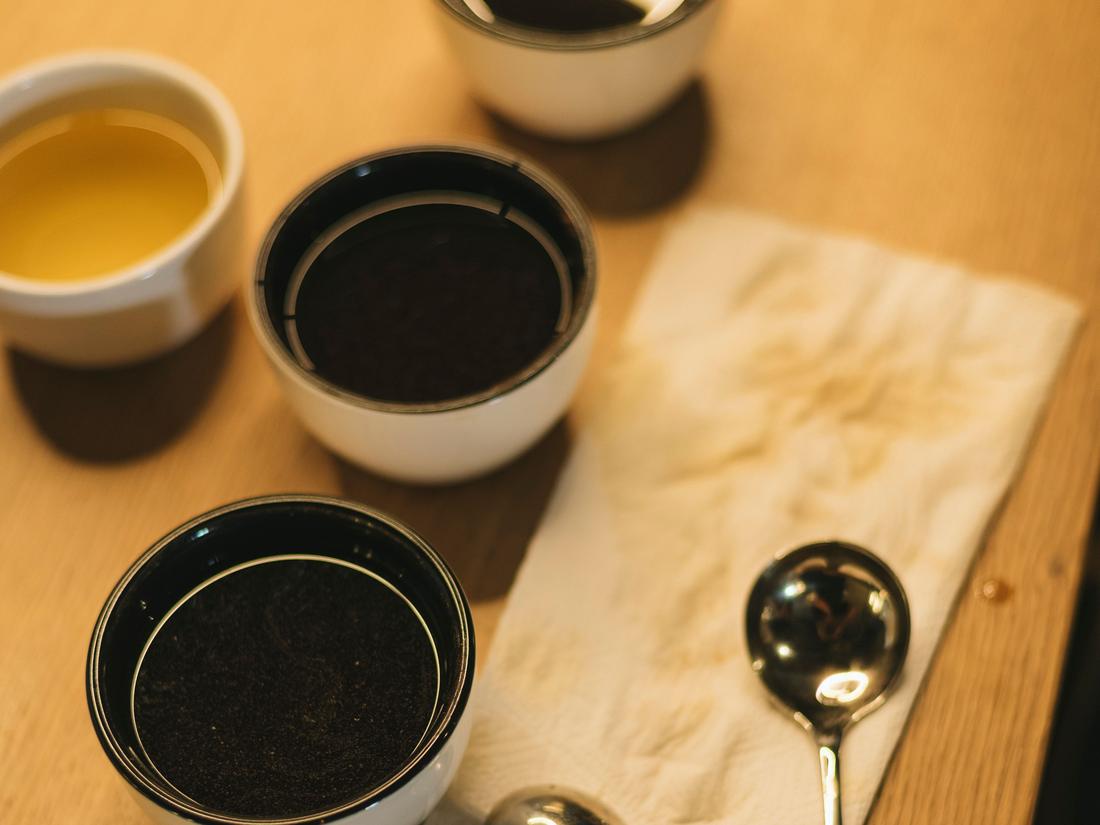 Blind cupping
Lot preparation
Much of the value lives here. We record and document plot, altitude, variety, process, drying days, moisture and water activity. We photograph the farm and the producer. We write the lot’s story in three languages. A rare coffee without a narrative becomes expensive commodity; with one, it becomes a contested lot.
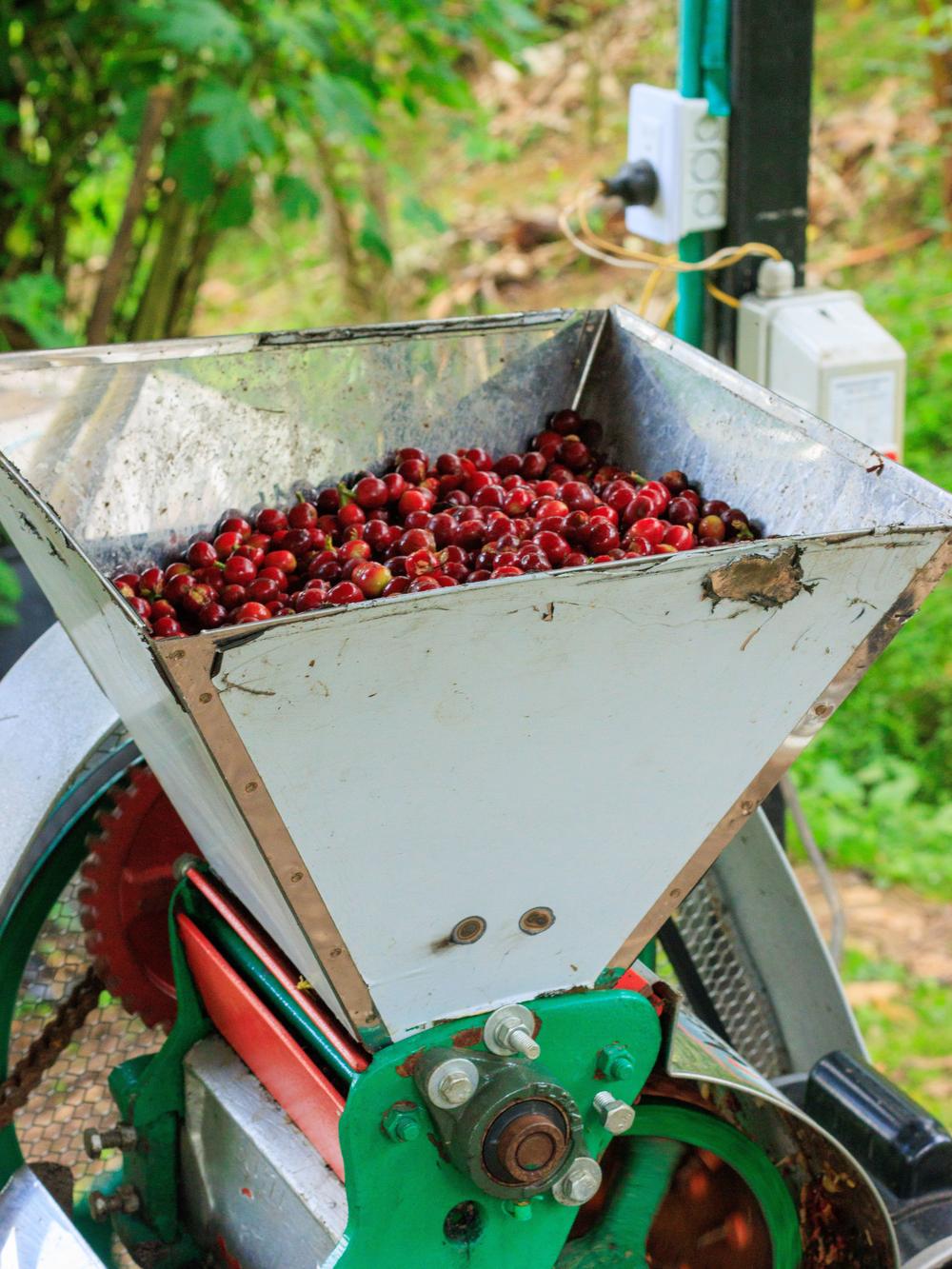 Milling and grading
Auction and price discovery
The heart of the service. The producer sets the reserve; the market sets the rest. An open English auction, 48 to 72 hours, among verified buyers, with automatic extension if a bid lands in the closing minutes. Every result is published. It is the opposite of closed door by door negotiation, where the producer never knows whether they settled for too little.
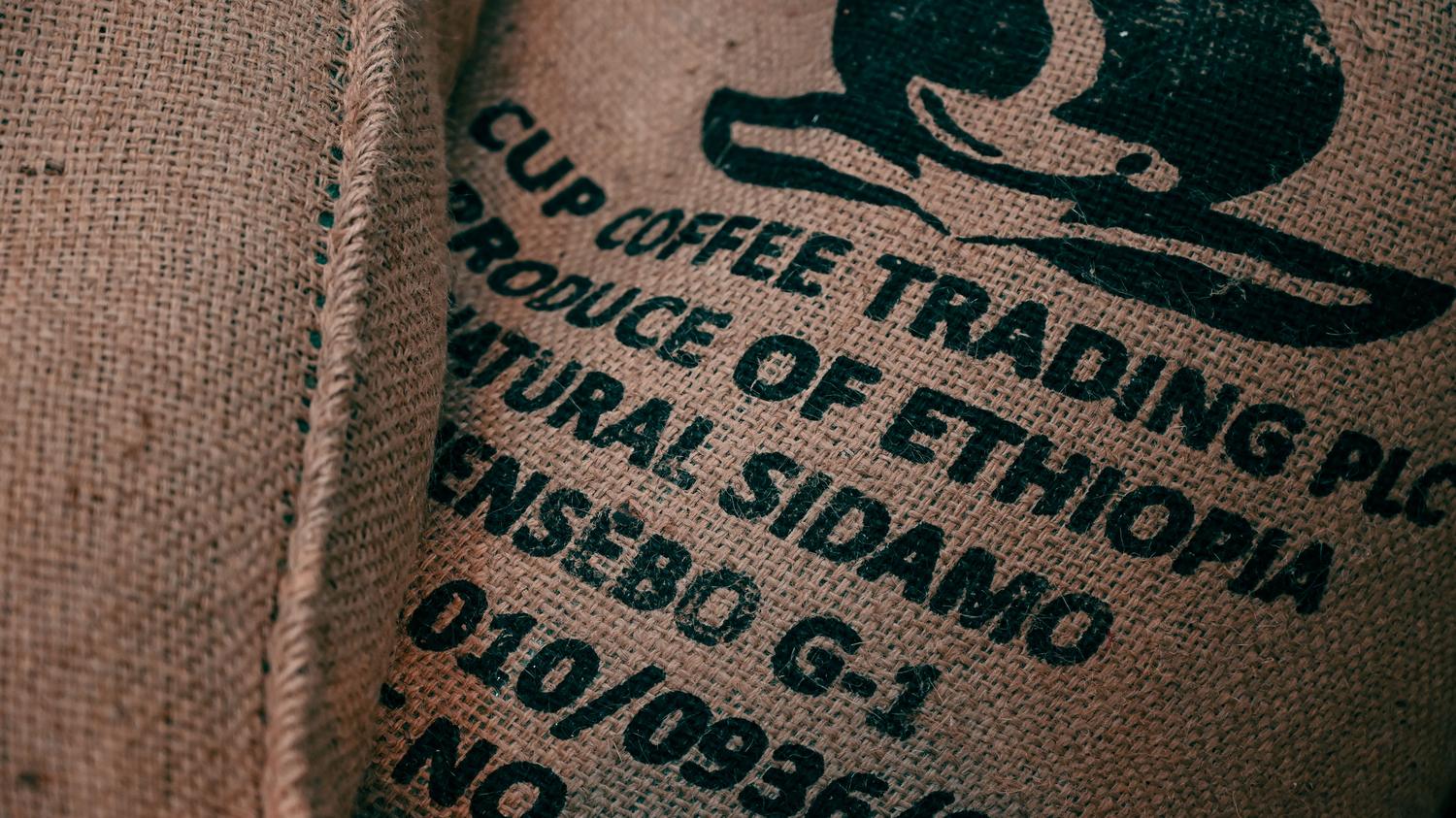 Lot identified and offered
Settlement and logistics
The buyer’s payment sits in escrow and is released to the producer only on shipment confirmation, which protects both sides. We coordinate export documentation, phytosanitary certificates, shared containers when volume is small, and tracking through to the destination warehouse. The producer is paid within 5 to 7 business days.
Escrow and shipment
Ongoing advisory
After the auction we bring the producer the buyers' technical feedback: what pleased, what capped the score, what to adjust in next season’s process. Buyers receive price history by origin and early notice of harvests matching profiles they have bought before. A relationship harvest after harvest, not a one off transaction.
Technical feedback to the producerRare regions
Where exceptional coffee happens, why it happens there, and who makes it possible.